
Introduction: Why Millions of People Are Looking at Their Astro Thème Right Now
More than 70 million people in the United States alone say they follow astrology in some form. That number has grown sharply in the past ten years, especially among younger adults. People are not just checking their daily horoscope anymore. They want something deeper and more personal. That is where the astro thème comes in.
An astro thème is a full map of the sky at the exact moment you were born. It shows the position of the sun, moon, and planets at that specific time. This map is also called a natal chart or birth chart, and it is one of the most detailed tools in all of astrology. It does not just tell you your sun sign. It tells you a complete story about who you are.
This article will explain what an astro thème is, how it works, what each part means, and how you can use it in real life. Whether you are completely new to astrology or you have been reading about it for years, this guide will give you clear and honest information.
What Is an Astro Thème, Exactly?
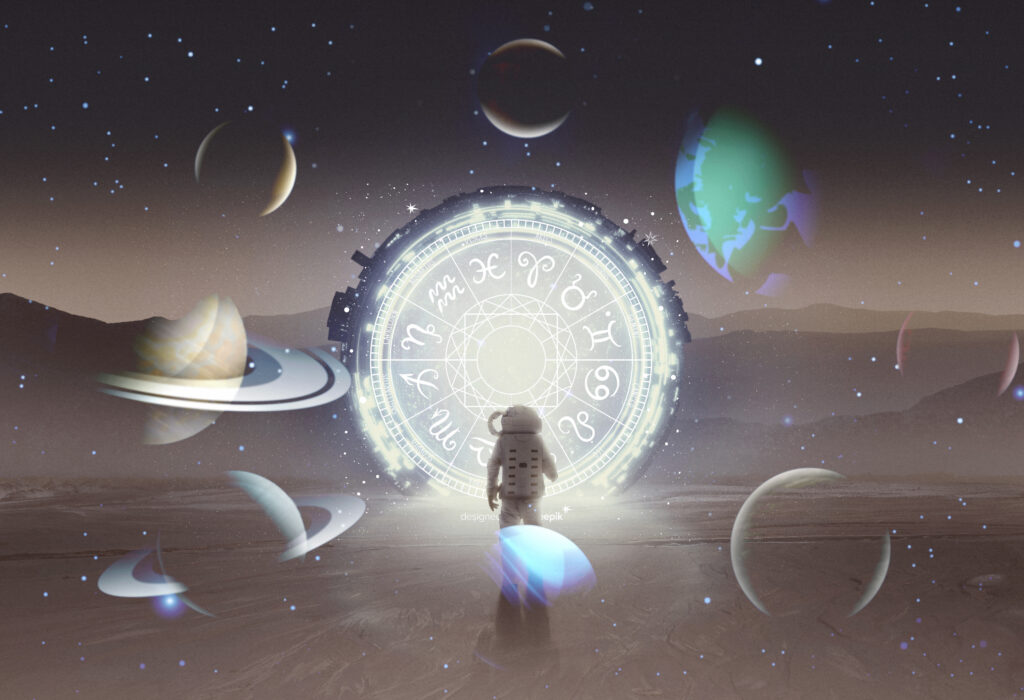
The word “thème” comes from French and simply means “theme” or “chart.” In French-speaking astrology communities, the term “thème astral” or “astro thème” refers to your natal chart. It is a circular diagram divided into 12 sections. Each section is called a house. The planets are placed inside these houses based on where they were in the sky when you were born.
Think of it like a photograph of the sky taken at the moment you arrived in the world. Every person has a completely different photo because the sky changes every few minutes. Even twins born minutes apart can have slightly different astro thèmes. This is what makes it such a personal tool.
The astro thème uses three main elements: signs, planets, and houses. Each one plays a specific role. Signs describe how energy expresses itself. Planets represent areas of life or types of energy. Houses show which area of your daily life is being affected. When you combine all three, you get a very detailed picture of your personality and life path.
The 12 Zodiac Signs and Their Role in Your Astro Thème
The 12 zodiac signs form the outer ring of your astro thème. Each sign carries its own qualities, strengths, and challenges. When a planet sits in a certain sign, it takes on the flavor of that sign.
For example, Mars in Aries is very direct and bold because both Mars and Aries share similar energy. But Mars in Libra is more careful and diplomatic because Libra likes balance. The sign changes how the planet behaves. This is why two people with the same sun sign can feel very different from each other. Their other planets may be in completely different signs.
Here are the 12 signs in brief:
- Aries – Bold, fast, and action-driven
- Taurus – Steady, sensual, and practical
- Gemini – Curious, social, and quick-thinking
- Cancer – Emotional, nurturing, and protective
- Leo – Creative, confident, and warm
- Virgo – Detailed, helpful, and analytical
- Libra – Balanced, fair, and relationship-focused
- Scorpio – Intense, deep, and transformative
- Sagittarius – Free, optimistic, and philosophical
- Capricorn – Ambitious, disciplined, and grounded
- Aquarius – Independent, innovative, and humanitarian
- Pisces – Sensitive, dreamy, and compassionate
Each sign belongs to one of four elements: fire, earth, air, or water. Knowing your dominant element in your astro thème can tell you a lot about how you process life.
The Planets in Your Astro Thème and What They Mean
The planets are the actors in your astro thème. Each one represents a specific type of energy or area of life. The sun and moon are included here even though they are technically not planets in astronomy. In astrology, they are the two most important points in your chart.
The sun represents your core identity. It shows who you are at your most basic level. Your sun sign is the one most people know, and it is important. But it is just one piece of the full picture.
The moon represents your emotions, instincts, and inner world. It shows how you feel on the inside, even when you do not show it to others. Many astrologers say the moon sign is just as important as the sun sign, and sometimes more so.
Mercury rules communication and thinking. It shows how you process information, how you speak, and how you make decisions. Venus rules love, beauty, and what you find attractive. Mars rules action, energy, and how you go after what you want.
Jupiter brings expansion and good fortune. Saturn brings structure, limits, and lessons. Uranus brings change and innovation. Neptune brings dreams and spirituality. Pluto brings deep transformation. Each of these planets leaves a mark on your astro thème depending on where it sits.
The 12 Houses: Where Life Happens in Your Astro Thème
The 12 houses in your astro thème each represent a specific area of life. Unlike the signs, which stay the same for everyone, the houses shift based on your exact time and place of birth. This is why knowing your birth time is so important when you create an astro thème.
The first house is about your outer self and how others see you. It is connected to your ascendant, also called the rising sign. The second house covers money and personal values. The third house is about communication, siblings, and short trips.
The fourth house rules your home, family, and roots. The fifth house is about creativity, fun, and romance. The sixth house covers daily work, health, and routines. The seventh house is about relationships and partnerships, especially romantic ones.
The eighth house covers deep transformation, shared resources, and sometimes death or rebirth. The ninth house is about travel, higher learning, and beliefs. The tenth house rules your career and public image. The eleventh house is about friends, groups, and long-term goals. The twelfth house covers the subconscious, secrets, and spiritual life.
When a planet sits in a house, it activates that area of life. For example, Jupiter in the seventh house often brings luck in relationships. Saturn in the tenth house can mean you work very hard for career success but also face delays.
The Ascendant: The Most Personal Point in Your Astro Thème
The ascendant, or rising sign, is the zodiac sign that was rising on the eastern horizon at the moment of your birth. It changes roughly every two hours, which is why your birth time matters so much. The ascendant forms the beginning of the first house and sets up the entire house structure of your astro thème.
Your rising sign is your social mask. It is the energy you project when you first meet people. Someone with a Scorpio rising might seem intense or mysterious at first, even if their sun sign is Sagittarius. The rising sign shapes your physical appearance in some cases and definitely shapes your first impressions.
Many astrologers say that as you get older, you grow more into your rising sign. Your sun sign stays your core, but your rising sign becomes the face you show the world. Knowing your ascendant adds a whole new layer to reading your astro thème.
Planetary Aspects: How Planets Talk to Each Other
In your astro thème, the planets do not just sit in their signs and houses and do nothing. They also form geometric angles with each other. These angles are called aspects, and they show how different parts of your personality interact.
A conjunction happens when two planets are very close together. This blends their energies. A trine happens when planets are 120 degrees apart. This is a flowing, easy connection. A square is a 90-degree angle and shows tension or challenge. An opposition is 180 degrees and shows a push-pull between two areas of life. A sextile is 60 degrees and brings opportunities.
Understanding aspects helps you see why certain parts of life feel easy and others feel harder. For example, if you have your moon square Saturn, you might find it hard to express emotions freely. That is not a curse. It is just a pattern you can work with once you see it.
How to Get Your Astro Thème for Free
Getting your astro thème has never been easier. Several trusted websites allow you to generate a full natal chart for free. All you need is your birth date, birth time, and birth city. The more accurate your birth time, the more accurate your chart will be.
Some of the most reliable free tools include Astro.com, Cafe Astrology, and Astro-Seek. These platforms generate a full chart with all the planets, signs, houses, and aspects. Some of them even give you a written interpretation to go along with the chart image.
If you do not know your exact birth time, you can still get a partial chart. You will not be able to calculate your rising sign or houses accurately, but you can still see your sun, moon, and planetary signs. For some people, this is already very useful.
What Your Dominant Planet Says About You
Every astro thème has a dominant planet. This is the planet that appears most strongly in the chart, either because it makes many aspects to other planets or because it sits in a powerful position like the first house. Knowing your dominant planet gives you a quick summary of your overall energy.
If your dominant planet is the sun, you are likely confident, creative, and drawn to leadership. If it is the moon, emotions and intuition guide most of your decisions. Mercury dominant people are thinkers and communicators. Venus dominant people are charming, artistic, and relationship-focused.
Mars dominant people are energetic, driven, and sometimes impulsive. Jupiter dominant people tend to be optimistic, generous, and lucky. Saturn dominant people are disciplined but sometimes serious or hard on themselves. Uranus, Neptune, and Pluto dominants are rarer but bring very intense, generational energy.
Calculating your dominant planet requires looking at the full chart and weighing several factors. Some free tools, like Astro.com, can calculate this for you automatically.
How Your Astro Thème Affects Relationships
One of the most popular uses of the astro thème is understanding relationships. Synastry is the practice of comparing two people’s charts to see how compatible they are. You overlay one person’s planets onto another person’s chart and look at where connections and tensions show up.
For example, if your Venus sits on your partner’s sun, there is likely warmth, affection, and attraction between you. If your Saturn squares their moon, there may be emotional friction or feelings of criticism in the relationship. Neither is a dealbreaker. Knowing these patterns helps you communicate better.
Composite charts are another tool. Instead of comparing two charts side by side, you merge them into one single chart that represents the relationship itself. This chart shows the purpose, energy, and potential challenges of the relationship as a unit.
Your Astro Thème and Career Choices
Your astro thème can offer real guidance when it comes to choosing a career. The tenth house, ruled by Capricorn and Saturn in natural astrology, shows your public reputation and professional life. Whatever sign sits on the cusp of your tenth house gives clues about what kind of work suits you.
For example, a Gemini midheaven often points to careers in writing, teaching, or media. A Scorpio midheaven may draw someone to psychology, research, or finance. A Pisces midheaven might suit someone in art, healing, or spiritual work.
The sixth house also matters because it rules daily routines and work habits. The second house shows how you earn and manage money. Looking at all three houses together gives a fuller picture of your professional life and financial patterns
Transits and Progressions: How Your Astro Thème Changes Over Time
Your birth chart stays the same for life. But astrology also looks at how the current positions of planets interact with your natal chart. These are called transits. When Saturn crosses your sun, you may feel pressure to grow up or take on more responsibility. When Jupiter crosses your moon, you may feel more hopeful and emotionally expansive.
Progressions are a slower, symbolic form of movement. They show how your inner self evolves over the years. The progressed moon moves through each sign over about 28 years. Tracking it shows the emotional themes of each phase of your life.
Transits and progressions help you understand why certain periods of life feel heavier or lighter. They show timing. Many professional astrologers use them to help clients plan for major life events like career changes, relationships, or moves.
Common Myths About Astro Thème and Natal Charts
A lot of people dismiss astrology because they have heard oversimplified or incorrect things about it. One big myth is that your sun sign determines everything. It does not. Your sun sign is just one of dozens of factors in your astro thème.
Another myth is that a difficult chart means a difficult life. That is not true either. Squares and oppositions create friction, yes. But friction also creates strength. Many successful and happy people have very challenging birth charts. The chart shows potential and patterns, not a fixed destiny.
Some people think astrology is a religion or requires belief in fate. It is not a religion. Many people use it simply as a psychological tool, similar to personality tests like the Myers-Briggs. You do not have to believe every word of it for it to be useful.
How to Read Your Astro Thème Step by Step
Reading your own astro thème can feel overwhelming at first. There are a lot of symbols and numbers on the page. But you can start simple and build your knowledge over time.
Start with your big three: your sun sign, your moon sign, and your rising sign. These three give you a solid foundation. Your sun is who you are. Your moon is how you feel. Your rising is how you appear to others. Together, they explain most of your basic personality.
Next, look at which element you have the most of. If most of your planets are in fire signs, you are probably energetic and spontaneous. If most are in earth signs, you are likely practical and grounded. Water heavy charts tend to be emotional and intuitive. Air heavy charts tend to be intellectual and social.
After that, look at which houses hold the most planets. A cluster of planets in one house shows a big focus in that life area. Then, slowly start exploring the aspects. Take it one step at a time and you will learn more with each reading.
A Simple Overview of the Astro Thème
| Chart Element | What It Shows |
|---|---|
| Sun Sign | Core identity and ego |
| Moon Sign | Emotions and inner life |
| Rising Sign | Outer appearance and first impressions |
| Planets | Different types of life energy |
| Houses | Areas of daily life |
| Aspects | How planetary energies interact |
| Dominant Planet | Overall chart energy |
This table gives you a quick reference as you start reading your own chart.
Why More People Are Using Their Astro Thème for Personal Growth
Astrology has shifted in recent years from being seen as pure fortune-telling to being used as a tool for self-reflection. Therapists, coaches, and wellness practitioners are starting to incorporate astrology into their work. The astro thème is at the center of this shift.
When you understand your chart, you start to see your patterns more clearly. You understand why you react the way you do in relationships, at work, or under stress. You also start to have more compassion for yourself because you see that your tendencies are not random. They have roots.
Many people report feeling a sense of relief after getting their astro thème read. It validates things they always felt but could never explain. It gives them language for parts of themselves they did not know how to describe. That is the real value of astrology for most people.
What to Expect from a Professional Astro Thème Reading
If you want a deeper look at your chart, working with a professional astrologer is worth considering. A good reading lasts anywhere from 60 to 90 minutes. The astrologer will walk you through your chart section by section and explain what they see.
A professional reading is different from a free online interpretation because a real person can answer your questions and adapt the reading to your actual life situation. They can also look at your current transits and tell you what themes are active right nowWhen looking for a good astrologer, ask for credentials or recommendations. Look for someone who has studied for several years and can explain things clearly. A good astrologer will empower you, not make you feel scared or dependent on them.
The Science Debate: Is the Astro Thème Scientifically Valid?
Astrology is not recognized as a science by mainstream academia. No peer-reviewed study has proven that planetary positions at birth determine personality or life outcomes. This is honest and important to say clearly.
That said, many people find astrology psychologically useful even without scientific proof. Carl Jung, the famous psychologist, was deeply interested in astrology and used it in some of his therapeutic work. He saw it as a symbolic system rather than a literal one.
The astro thème works best when you treat it as a map, not a manual. It points out possibilities and patterns. What you do with that information is entirely up to you. Science does not validate every tool that people find meaningful, and that is okay.
How to Learn More About Your Astro Thème on Your Own
If you want to go deeper into astrology without paying for a reading, there are many free resources available. Books like “The Only Astrology Book You’ll Ever Need” by Joanna Martine Woolfolk are great starting points. “Astrology for the Soul” by Jan Spiller focuses specifically on the moon’s nodes.
Online, there are many reputable astrology channels on YouTube that explain charts in plain language. Some astrologers offer free weekly content that covers transits and how they affect different parts of the chart. Reading one new thing about your chart each week is a simple and practical way to build your knowledge.
Journaling about how the current planetary weather affects your mood or life is another great practice. Over time, you build your own personal evidence about how astrology works in your experience.
Conclusion: Your Astro Thème Is a Tool, Not a Label
Your astro thème is one of the most personal documents you can have. It shows your strengths, your patterns, your emotional needs, and your potential. But it does not control your life or lock you into any outcome. It is a starting point, not a sentence.
The best use of your astro thème is to get to know yourself better. Use it to have more honest conversations with yourself about who you are and what you want. Use it to understand the people in your life a little more clearly. Use it to feel less alone in your quirks and tendencies.
If you have never looked at your astro thème before, now is a great time to start. Generate your free chart at Astro.com using your birth date, time, and city. Spend some time with it. Be patient with yourself as you learn. And remember, the goal is not to predict your future. The goal is to live more fully in your present.